The History of the National Shrine
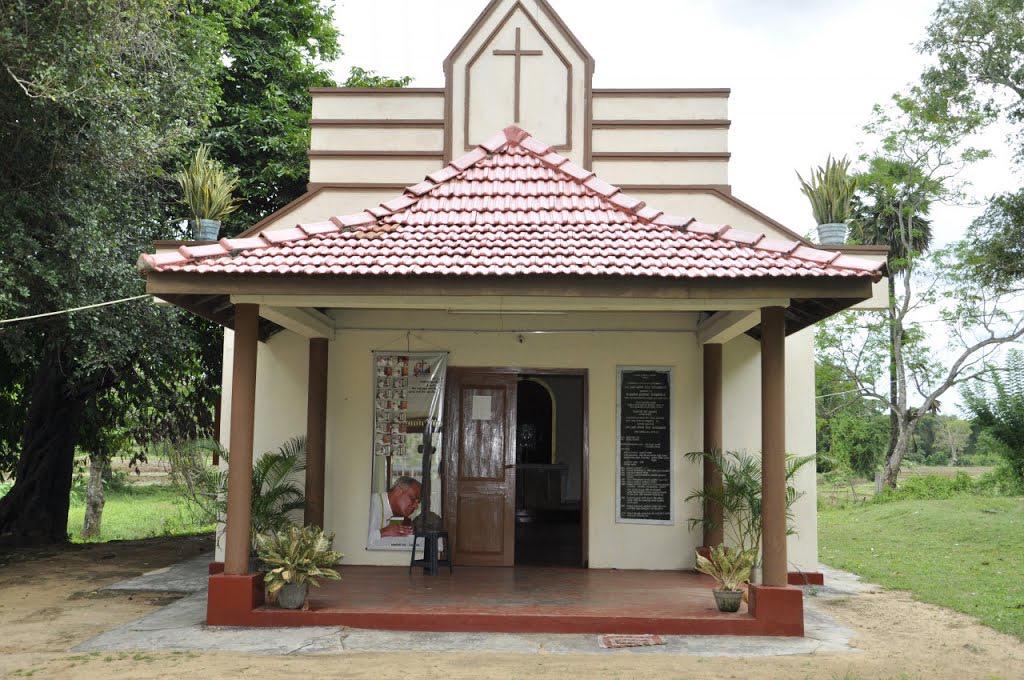
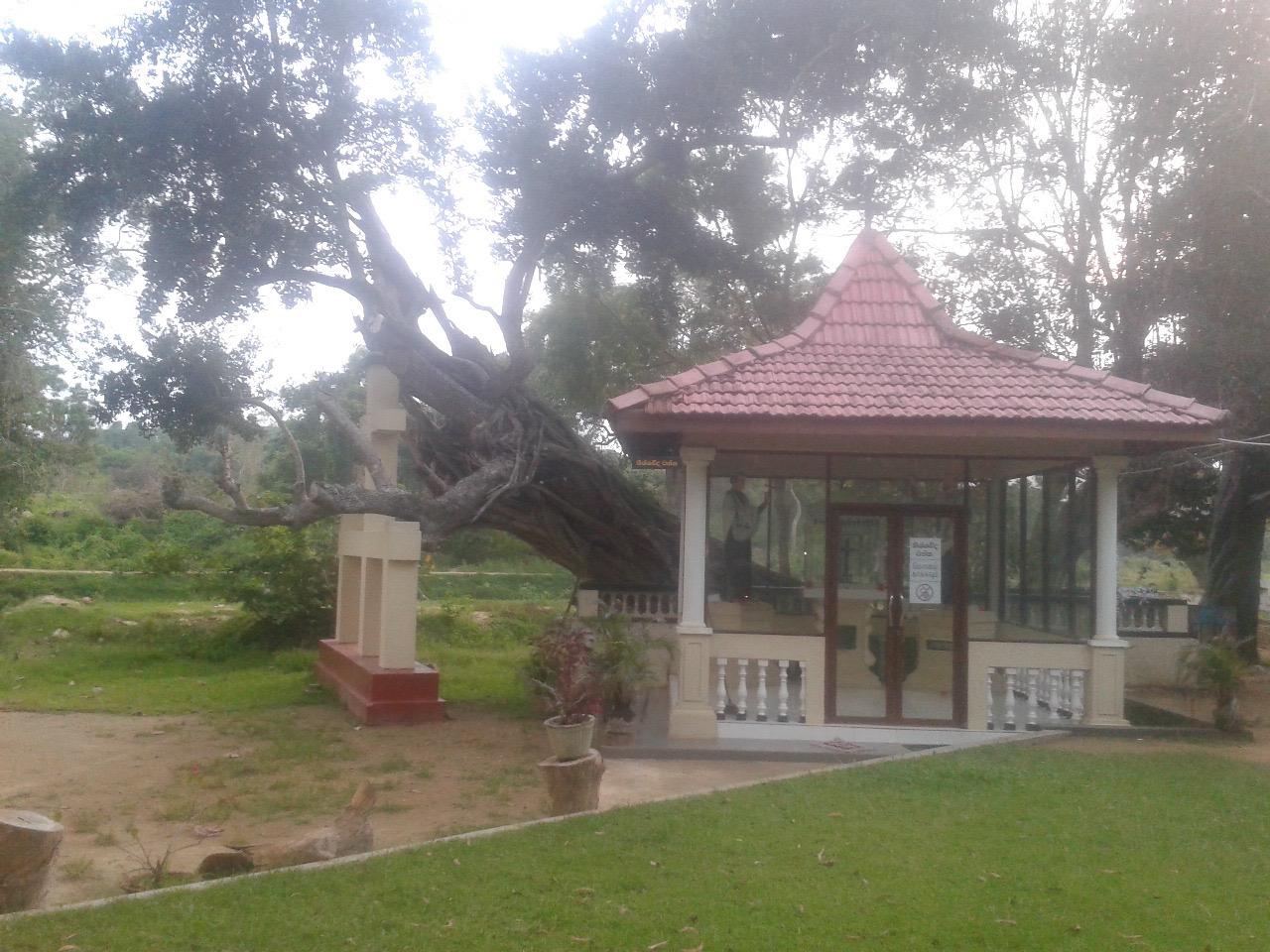
MahagalgamuwaThe history of the Mahagalgamuwa Shrine is a story of survival, hidden faith, and the enduring presence of Saint Joseph Vaz. It is not merely a building, but a site where the Saint lived, prayed, and protected the local people.
The Origins: A Village of Refuge
In the late 17th century, the Dutch East India Company (VOC) had banned Catholicism in the coastal areas of Sri Lanka. Seeking safety, many Catholic families fled into the interior, settling in the dense jungles of the North Western Province.
Mahagalgamuwa became a secret sanctuary. When St. Joseph Vaz arrived in the area (likely between 1690 and 1710), he found a small, devout community living in isolation. To avoid detection by Dutch spies, he lived among them in great simplicity, often hiding in the surrounding forests during the day and ministering at night.
The Sacred “Wattle and Daub” Chapel
Historical tradition tells us that St. Joseph Vaz himself helped build the first humble structure at this site.
- The Structure: It was a simple “wattle and daub” chapel (made of mud and sticks) with a thatched roof.
- The Altar: He used local materials to create a place for the Holy Eucharist, signifying that God was present even in the most remote jungle.
- The Community: He established a system of “Muhandirams” or lay elders to lead prayers when he was traveling to other parts of the island, a tradition that kept the faith alive for centuries.
Preservation Through the Centuries
After the death of St. Joseph Vaz in 1711, the Catholics of Mahagalgamuwa faced many hardships, including wildlife threats and disease. However, the chapel site was never abandoned.
- The British Period: With the arrival of religious freedom under the British, the small chapel was replaced by a more permanent stone structure in the 19th century.
- The Modern Era: As the fame of St. Joseph Vaz grew, the site became a major pilgrimage center for the Diocese of Kurunegala.
- National Status: Recognizing its historical and spiritual significance, the site was officially elevated to the status of a National Shrine. The architecture of the current shrine purposefully incorporates traditional Sri Lankan elements, reflecting the “enculturation” that the Saint championed.
The “Living Heritage” Today
The shrine is unique because it remains integrated with the local village. The people of Mahagalgamuwa consider themselves the “guardians” of the Saint’s legacy.
- The Feast of the Miraculous Rain: Annual celebrations often recall the Saint’s power over nature, specifically his intercession for rain during droughts.
- The Healing Tradition: The shrine is particularly known for the “blessing of the sick,” a tribute to St. Joseph Vaz’s heroic service during the smallpox epidemic in Kandy.